
Inspections required for a CCC

The CCC is verification from Council (as BCA) that it is satisfied on reasonable grounds that the building work complies with the building consent. It is an important document and should be retained for future reference.

Read the below information to know what inspections you will require to obtain a Code Compliance Certificate. You can find further information on our inspections and requirements page.

Every building consent is subject to the condition that agents authorised by the building consent authority are entitled, at all times during normal working hours or while building work is being done, to inspect land on which building work is being or is proposed to be carried out; and building work that has been or is being carried out on or off the building site; and any building.

During processing of the Building Consent application Council will determine what inspections will be necessary to enable us to be satisfied on reasonable grounds that compliance will be achieved including any which are to be carried out by an engineer or other nominated person. Each inspection will be identified along with the requirements for that particular inspection on your consent documentation. For further information refer to our Inspections and Requirements Information page or download our information sheet.

Sometimes it is necessary for specialists to conduct inspections in addition to the inspections carried out by Council. If a specialist inspection is necessary, you will generally be advised as an endorsement on your consent.

Typically, these types of inspections involve having a suitably qualified engineer confirm ground stability or having an aspect of specific structural design checked by a Chartered Professional Engineer.

Inspections to be carried out by any other professional will be accepted at the discretion of Council and acceptance will depend on the professionals’ qualifications, experience, insurance, and previous history of similar designs.

In all cases, a construction review statement signed by the professional is required confirming that the inspection has been carried out and approved. Please ensure you read inspection requirements and are familiar with them before commencing work.

To book an inspection contact the customer services staff at Council in either Westport phone 788-9111 or Reefton phone 732-8821.

When booking the inspection, you need to know the consent number, site address, type of inspection, contact person and phone number, who the LBP is if the work involves restricted building work and the date and time the inspection is required.

Please allow a minimum of 24 hours’ notice (preferably longer for rural areas) to ensure the inspection can be carried out at a time that is suitable for you.

It is important that the inspector can gain access to the site or into the building to inspect it, so if no-one is available to be on site, please arrange access into the building when booking the inspection. We recommend that the lead contractor or their representative be on site for all inspections.

The inspector will check whether the work complies with the consent documents, record these details, and email or notify the owner and nominated agent.

Please note that if the consent documentation (Form 5, plans and specifications) is not available on site we will not undertake the inspection, but you will still be charged for it.

Extremely minor work may be able to be remedied and approved at the time of inspection. However, any other non-compliance will be recorded in an Inspection Notice which will detail the actions that need to be taken.

This could include what work needs to be remedied, whether a further inspection will be required, whether an amendment is needed if a major or substantial change has been made or in serious cases whether work must stop immediately. The inspection record will indicate what work, if any, you may carry on with. If the work is not remedied to the satisfaction of the building inspector a Notice to Fix will be issued.

A Notice to Fix is a formal notice issued by the Building Control Authority advising that certain works have not been carried out in accordance with the Building Act. If a Notice to Fix is issued, you are required to address the issues identified within a prescribed time frame to prevent further action being taken and there is a fee to pay.

A household unit is a building or group of buildings intended to be used mainly for residential purposes and by one household (e.g., house, apartment or flat). It does not include a hostel or boarding house.

Once work is completed you need to contact Council to arrange for a final inspection to confirm that all the work complies with the approved consent documents. Section 92 of the Building Act requires the owner to apply for the Code Compliance Certificate (CCC) as soon as practicable after the building work is completed.

When the application for CCC has been received there is a 20-working daytime frame in which Council must decide on whether to issue or refuse to issue a CCC.

You could apply for a CCC electronically if you lodged your application electronically or Council is able to provide you with the applicable application form on request.

You must also ensure that any other required documentation as per conditions on your consent is included with this application e.g., Records of Work from LBP’s, electrical and/or gas certificates etc. The required documents will be identified in the consent documentation.

If any additional fees are required (such as for additional inspections not paid for at the time of application) the applicant will be advised, and all costs must be paid before the CCC will be issued.

If further information is required, the applicant or their agent will be advised, and the application will be put ‘on hold’ until the date the required information is received. If this information is not received within 28 days, the application may be refused. Further information may include but is not limited to:

  • Other documents from the personnel who carried out the work.
  • Any variations to the original approved plans are required to be documented and approved
  • Memoranda from licensed building practitioner(s) stating what restricted building work they carried out or supervised.
  • Certificates that relate to energy work (Electrical and Gas certificates).
  • As built drainage plan
  • Evidence that the specified systems (if applicable) can perform to the performance standards set out in the building consent

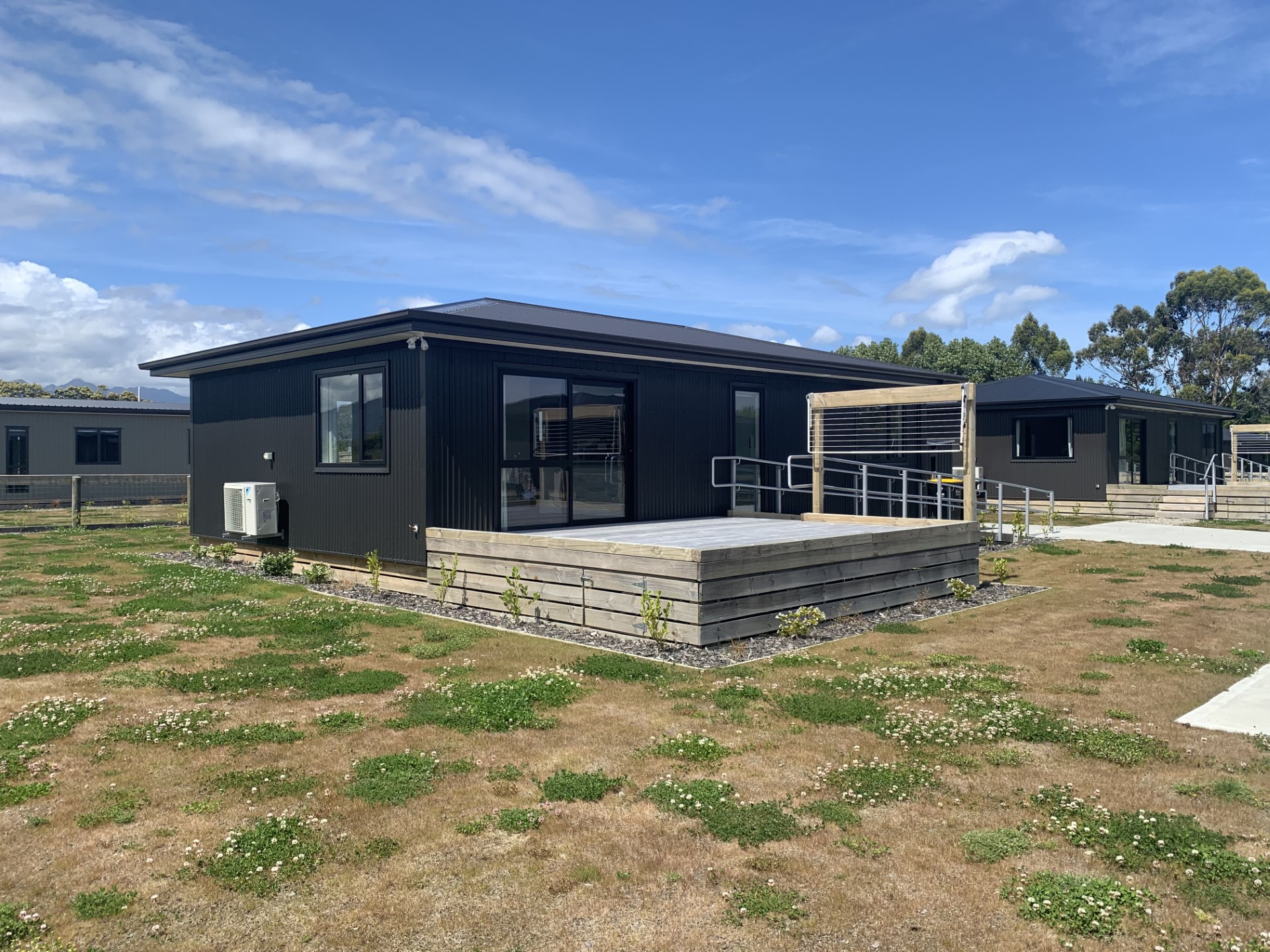
Special conditions apply when modular components make up part of a building. See here for a step-by-step guide showing how the building consent process works for a manufacturer certified to design and manufacture under BuiltReady.

An owner or appointed agent must apply for a Code Compliance Certificate (CCC) by submitting the Form 6 application, which can be found on the ObjectiveBuild portal.

To ensure a complete application, the following must be included, if applicable:

  • any records of work provided by licensed building practitioners,
  • any energy work certificates
  • current manufacturer's certificate for components where the work includes modular components

A CCC is verification that all works undertaken comply with the approved Building Consent. It is an important document and should be retained for future reference.

To issue a CCC, the Council must be satisfied on reasonable grounds to certify that the building work complies with the approved Building Consent. If a compliance schedule is required, it also must be satisfied whether the specified systems can perform to the performance standards set out in the building consent. If compliance is achieved a CCC will be issued in conjunction with a compliance schedule if applicable.

Providing Council is satisfied the building work has been constructed to comply with the Building Code in place at the time of construction and has continued to meet the provisions of the Building Code, a Code Compliance Certificate may be considered. A modification in relation to durability may be applied to the CCC if a significant period has lapsed since the consent was issued.

If Council cannot be satisfied on reasonable grounds that the work complies with the approved consent documents, then a Code Compliance Certificate will be refused

If your consent authorised self-certified plumbing or drainlaying, your CCC application must include a certificate of compliance from the endorsed plumber or drainlayer for that work. We can't issue the CCC until we have it. We check the certificate is complete and that the practitioner held a current endorsement — we don't re-inspect the self-certified work.

Please see our self-certification for plumbing and drainlaying page for more information.

Commercial and industrial properties and residential cable-cars

Read the information below and MBIE's information about compliance schedules if your building project involves a commercial and industrial property according to Section 362.

Section 363 public premises: If your building is open to the public, whether for free or payment of a charge, the building cannot be used or occupied until a Code Compliance Certificate is issued if a Building Consent has been issued for part or whole of the premises.

This is because public premises will generally have systems within the building which contribute to life safety and well-being of the building user. (These systems are called specified systems).

In certain circumstances it may be possible to apply for a Certificate for Public Use, which will allow a building to be used before the Code Compliance Certificate issued. Each application will be considered on a case-by-case basis. However, a Certificate of Public Use is not intended as an interim signoff on the building and should not be used as a substitute for a Code Compliance Certificate. Read more about public access during building or alterations here.

Read our Compliance Schedule information.