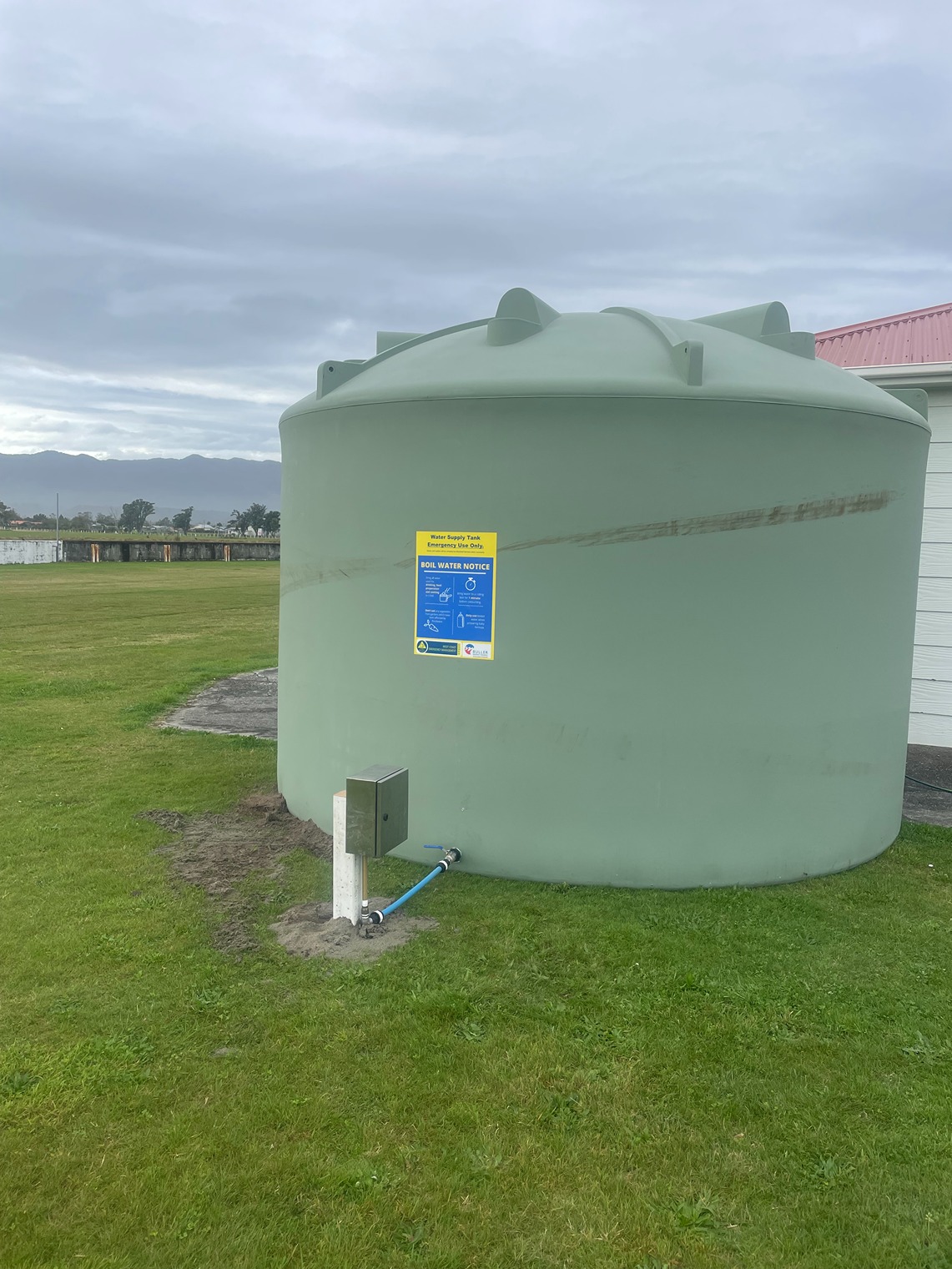
Water tank maintenance

Read our key information below to keep you water tank well maintained to ensure your drinking water is save to consume.

To protect your health, your family, and visitors, Council strongly recommends installing basic water treatment and safety measures.

As a minimum, Council recommends:

  • Leaf diverters on all downpipes that feed the tank to stop leaves, sticks and mosses entering your tank. Leaf diverters are easy to self-install and cost around $40. 
  • A ‘first flush’ device that stops the initial flow from entering your tank – diverting dirt, ash and bird droppings that may accumulate on your roof between rainfall events. First flush diverters can also be self-installed for around $100 for a manually emptied version – or $150 for one with a programmable automatic empty and reset.
  • 1- and 20-micron water filters (these capture organic chemicals and pollutants).
  • UV lamp and sleeve (doses the water with ultraviolet light and kills most bacteria and viruses). A filter and UV system for a regular household should cost between $1,200-$1,500.

Do not consume water that has an odour or is not clear without bringing it to the boil for one minute. Arrange to empty, clean, and sterilise your tank immediately, and consider lightly dosing with unscented bleach if this can’t be done quickly (ratio: 70 ml per thousand litres).

All water tanks will build up sediment. This can cause contamination and damage to pumps and fittings. Empty and clean water tanks annually. Several tank-cleaning companies service our district, and you can find them online.

You should also clean your gutters and downpipes regularly, at least every three months. When cleaning your gutters and pipes, first make sure your tank is disconnected from the supply or a diverter is installed and operating correctly. A thorough scrub with hot water, lightly dosed with bleach, is often all you need. Hose them thoroughly before re-establishing connection to the tank. Also have a look at your roof - consider washing it down or giving it a sweep with a wet broom.

If your pump runs often, or when you're not using water, it may indicate a leak in your plumbing or treatment system.

If your water has an odour or isn’t as clean as it once was, you may need to replace your filters, clean your gutters or have your tank emptied and sterilised. Ash settling on your roof may impart a smoky smell to your water, and you can often fix this by installing a carbon filter before the water enters your house.

If your water pressure is dropping, this could signal an issue with your pump, blocked filters, or a leak or blockage in the plumbing.