
Phase 1 - up to $7,100,000 Crown funding.
Alma Road housing development
Kia ora koutou - welcome to the information page for the Infrastructure Acceleration Fund's Alma Road housing development.
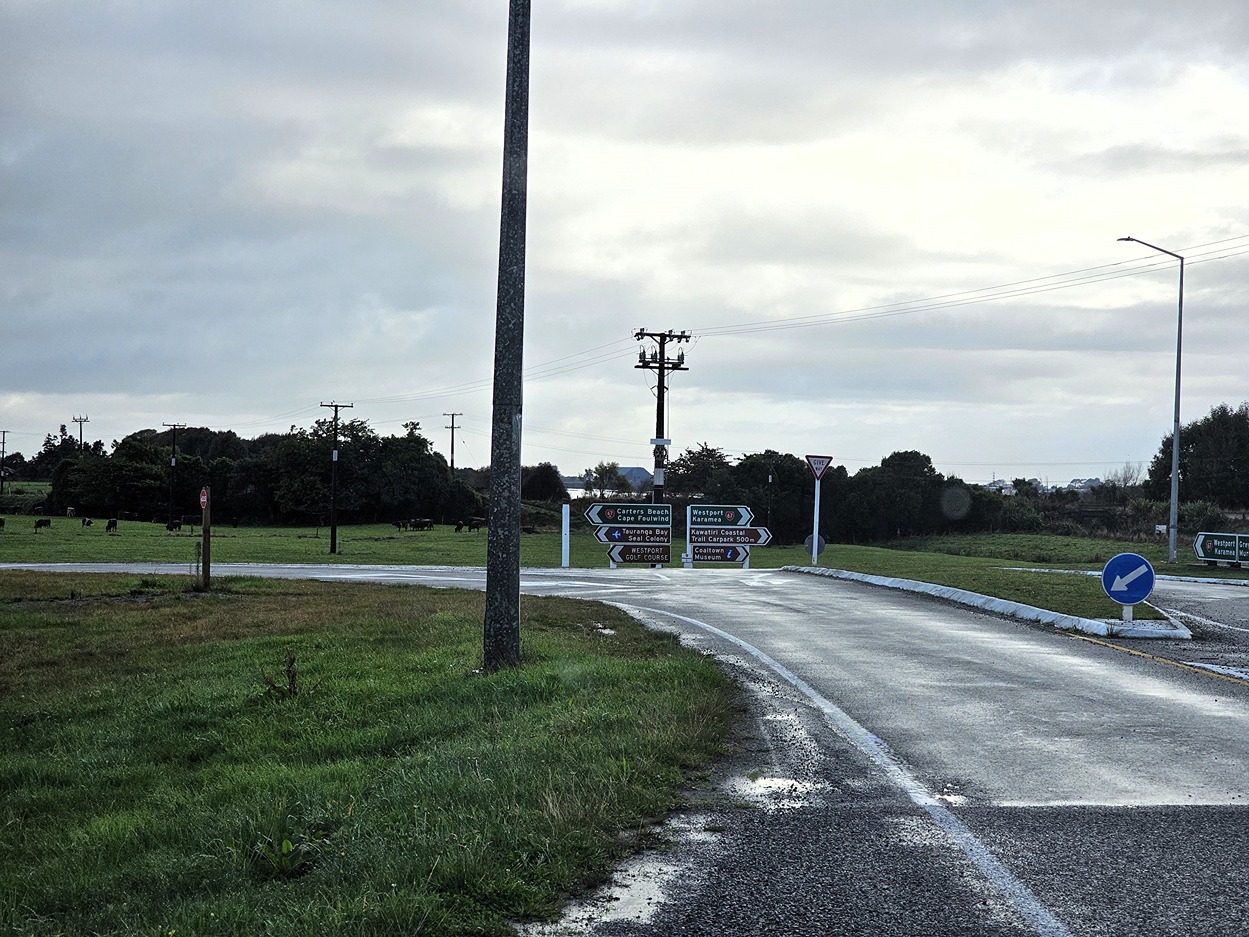
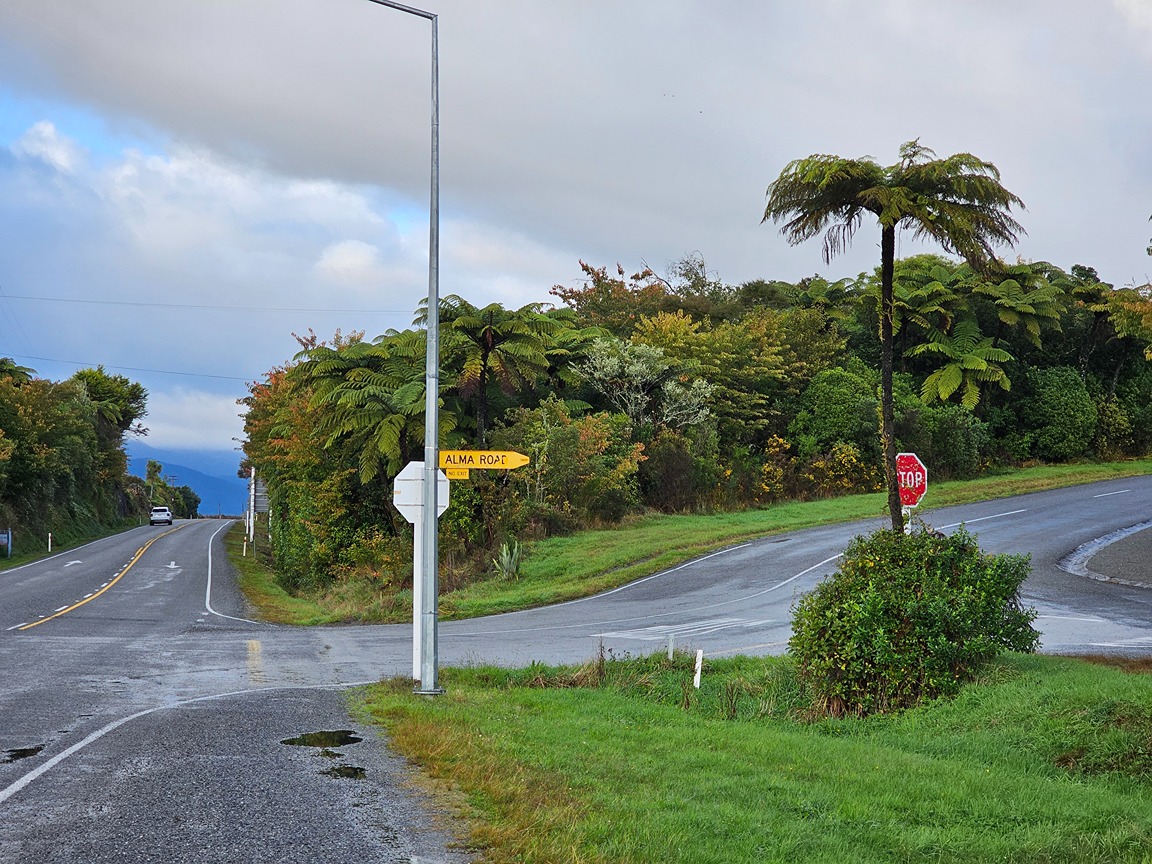
Reason for development
The proposed Te Tai o Poutini Plan (TTPP) released in 2022 indicated that a large portion of Alma and McPadden Roads was due to become residentially zoned. The proposed plan was actioned and enabled in the same period as the significant flooding events that affected Westport in 2021 and 2022, and an emphasis was placed on ensuring that areas largely free of current and future natural hazards were enabled.
At the same time, central government set up the Infrastructure Acceleration Fund (IAF), a $3 billion national fund that sought to enable housing outcomes that would otherwise be difficult to implement.
Buller District Council successfully applied to the fund for $13.6M to upgrade roading and transport in the Alma Road/McPadden Road area, and provide three waters infrastructure (drinking water, stormwater and wastewater) to service up to 400 lots. This area is now collectively termed the Kawatiri Growth Cell.
Subsequent community engagement and feedback altered the zoning of the area, with McPadden Road area becoming Large Lot Residential (rather than Residential), and the top end of Alma Road remaining Rural.
This changed the approach to funding, which has now been split into two stages to accommodate the changes requested by the community – meaning that the lower end of Alma Road (from the State Highway to the McPadden Road intersection) will be serviced by stage one funding.
Stage two funding is yet to be decided on.
Key infrastructure
View our overview and section maps to find out where key infrastructure will be installed as part of the Alma Road housing development.
Funding
In November 2022, Buller District Council (BDC) and the Crown entered into an Infrastructure Acceleration Fund agreement to finance the design and construction of infrastructure needed to unlock residential development in the Kawatiri Growth Cell.
The IAF programme is structured in two phases, with a combined potential Crown contribution of up to $13,600,000 (excl. GST).
The programme's purpose is to enable the development of approximately 400 new residential lots in total, with 145 lots unlocked in Phase 1 alone. These lots are located on flood-resilient land and will help accommodate the future housing needs of Westport.
Phase 1 - up to $7,100,000 Crown funding
Phase 1 - up to $6,500,000 Crown funding
Phase 2 will fund additional infrastructure to enable further housing outcomes. The final scope of this work is still to be confirmed.
Construction timeframes
The two contracts currently under construction represent Phase 1 of the IAF programme. Both contracts have been awarded to WestReef Services Limited of Westport.
Scope of works - Alma Road to McPadden Road infrastructure upgrade
- Combined shared pedestrian and cycle path from Paparoa Way to McPadden Road
- Road improvements and McPadden Road intersection realignment
- Low-pressure sewer rising mains
- Watermain extensions
- Stormwater conveyance improvements
- Cape Foulwind Road/Buller Road safe crossings - pedestrian refuge islands and intersection upgrades
Scope of works - Westport Wastewater Treatment Plant inlet works upgrade
- New inlet and outlet chambers
- Rotating drum screen and screenings wash press
- Aerated longitudinal grit chamber
- Bypass pipework and water supply upgrades
- Ancillary civil, structural, electrical, and controls works.
What to expect during construction
-
Construction period: July 2026 till late 2026/early 2027.
-
Communication: The contractor must provide resident/business liaison, including updates on access and traffic changes.
-
Construction presence: Active civil works along Alma Road/McPadden Road from commencement through to practical completion, with work fronts moving along the corridor.
-
Traffic impacts: Temporary traffic management, reduced speeds, lane restrictions, and occasional stop/go controls.
-
Property access: Resident access maintained where practical, with short-term disruptions managed and notified.
-
Noise and disruption: Expect normal daytime construction noise, heavy plant, trucks, excavation, and reinstatement works.
-
Safety and environment: The contractor is required to manage public safety, trenching risks, sediment control and works near waterways.
Frequently Asked Questions
Do existing homes need to connect to the new services?
No. There is no requirement for existing homes to connect to the new reticulated services being installed through the IAF programme.
Under the combined District Plan, the Te Tai o Poutini Plan (TTPP), which is now a Part Operative Plan, new homes in areas where reticulated services are available are directed to connect to those services.
The TTPP is currently going through the appeals process. Once operative, it will direct new development in the Kawatiri Growth Cell to connect to available services.
If Council wishes to enforce connection for properties within 50 metres of a service (under the Rating Act), a special consultative process would be required.
Infrastructure charges for the new services are forecast to begin on 1 July 2027, as part of Coast Waters Ltd. These charges will reflect additional depreciation and maintenance costs, which will become applicable once the construction works are completed and capitalised -this is expected in FY2027/28.
What is a low-pressure sewer and how does it affect property owners?
Low-pressure sewer systems (LP sewers) were introduced as the preferred wastewater reticulation option for individual properties in the Kawatiri Growth Cell. Unlike conventional gravity sewers, an LP sewer system uses small-diameter pressurised rising mains.
Under this approach, each property owner is responsible for maintaining the unit on their property. A policy to formalise this arrangement is being drafted and is expected to be presented to Council for consideration in 2026.
What is the overall size of the IAF programme?
The IAF programme has a combined potential Crown contribution of up to $13,600,000, delivered across two phases. Phase 1 unlocks approximately 145 residential lots; Phase 2 is aimed at reaching the programme total of 400 new lots by 2042.
How does the project align with the spatial planning and strategic context?
The programme aligns with the Te Tai o Poutini Plan (TTPP) - the combined District Plan for the West Coast.
Supports the Kawatiri Growth Cell Master Plan and the PARA Framework (Protect, Avoid, Retreat, Accommodate) - a four-pronged flood risk management strategy adopted by BDC and West Coast Regional Council for the Resilient Westport programme.
The programme is connected to the broader Westport flood resilience and recovery programme, actioned following the 2021 and 2022 flood events.
For any questions or queries regarding this project, please email info@bdc.govt.nz.
Our email list is a great way to stay up to date with the Alma Road housing development. Sign up now.

